









Masechet Zevachim
Masechet Zevachim is sponsored by Esther Kremer in loving memory of her father, Manny Gross on his third yahrzeit. “He exemplified a path of holiness and purity, living with kedushah in his everyday life.”
This week’s learning is sponsored by Robert and Paula Cohen in loving memory of Joseph Cohen, Yosef ben Moshe HaCohen, z”l. “He was hard working, loved to sing, esp. as a chazan, and was very dedicated to his family and community.”
Want to dedicate learning? Get started here:

Summary

A contradiction between the Mishna in Mikvaot 10:6, which seems to be Rabbi Yehuda’s position anrules according to majority, and Rabbi Yehuda in the braita, who follows appearance, is resolved in two ways. Abaye suggests that in the braita, where the position is stricter, Rabbi Yehuda is quoting Rabban Gamliel, who was known for his stringency in cases of nullification, as he did not allow nullification at all in mixtures of the same type (min b’mino). Rava, however, explains that the more lenient opinion in Mikvaot refers to a case where only the outside of the cup was impure. By Torah law, the mikveh waters need only pass over the rim, not fill the cup. Since the requirement to fill the cup is rabbinic, there is room for leniency.
Rabbi Elazar disagrees with Reish Lakish regarding pigul and notar that became mixed together. He holds that just as mitzvot do not nullify one another, prohibitions likewise do not nullify each other. This principle is based on Hillel, who would eat matza and maror together on Pesach to fulfill the commandment that they be eaten simultaneously. If mitzvot could nullify one another, the strong taste of the maror would cancel the taste of the matza, preventing fulfillment of the mitzva of eating matza in that manner.
Regarding min b’mino, a mixture of the same type, there is a dispute between Rabbi Yehuda and the rabbis as to whether it can be nullified. A similar debate appears in the Tosefta Taharot 5:3 between Rabbi Eliezer ben Yaakov and the rabbis in a case of a shard that absorbed urine: can it be purified by soaking or rinsing in urine?
In the Mishna, there is also a debate between Rabbi Eliezer and the rabbis concerning blood mixed with problematic blood. The question arises: does Rabbi Eliezer disagree in both cases – disqualified blood and dam hatamtzit (the blood that flows from inside the animal) – or only in the latter case? The Mishna explores various scenarios of blood mixtures and clarifies where Rabbi Eliezer and the rabbis differ.
Today’s daily daf tools:
Masechet Zevachim
Masechet Zevachim is sponsored by Esther Kremer in loving memory of her father, Manny Gross on his third yahrzeit. “He exemplified a path of holiness and purity, living with kedushah in his everyday life.”
This week’s learning is sponsored by Robert and Paula Cohen in loving memory of Joseph Cohen, Yosef ben Moshe HaCohen, z”l. “He was hard working, loved to sing, esp. as a chazan, and was very dedicated to his family and community.”
Today’s daf is sponsored by David and Mitzi Geffen in loving memory of Mitzi’s father, Jack Lock, on his fifth yahrzeit. “He was so proud that all four of his children made aliya to Israel and that his ‘tribe’ grew during his lifetime to nearly 100 family members, spanning three generations (now four!) all in Israel. He was a generous and loving husband, father, grandfather, great-grandfather, uncle, and brother who is sorely missed.”
Today’s daf is sponsored by Sigal Spitzer Flamholz in loving memory of Grandma Rhoda or “GG’s” on her 2nd yahrzeit. “We miss you and think about you I know you would be so proud of my ongoing torah learning.”
Zevachim 79
הָא דִּידֵיהּ הָא דְּרַבֵּיהּ. דְּתַנְיָא, רַבִּי יְהוּדָה אוֹמֵר מִשּׁוּם רַבָּן גַּמְלִיאֵל: אֵין דָּם מְבַטֵּל דָּם, אֵין רוֹק מְבַטֵּל רוֹק, וְאֵין מֵי רַגְלַיִם מְבַטְּלִין מֵי רַגְלַיִם.
this statement, that the water of purification is nullified in a majority of water, is his, i.e., Rabbi Yehuda’s, own opinion, whereas that statement, in the baraita, that white wine is not nullified in a majority of water, is his teacher’s ruling, i.e., that of Rabban Gamliel, who is stringent with regard to a mixture of a substance in contact with the same type of substance. As it is taught in a baraita that Rabbi Yehuda says in the name of Rabban Gamliel: Blood does not nullify blood, spittle does not nullify spittle, and urine does not nullify urine.
רָבָא אָמַר: בִּדְלִי שֶׁתּוֹכוֹ טָהוֹר וְגַבּוֹ טָמֵא עָסְקִינַן; דְּמִדִּינָא – סַגִּי לְהוּ בְּכֹל דְּהוּ,
Rava says there is a different resolution of the apparent contradiction between the mishna that states that water of purification is nullified in a majority of water of a ritual bath and Rabbi Yehuda’s opinion in the baraita with regard to white wine mixed with water: In the mishna, we are dealing with a bucket whose internal surface is ritually pure, and only its external surface is impure. The significance of this is that by Torah law it suffices for the water of the ritual bath to enter the bucket in any amount to purify its external surface, and therefore the water of purification in the bucket does not prevent the purification of the bucket at all.
וְרַבָּנַן הוּא דִּגְזַרוּ בְּהוּ דִּילְמָא חָיֵיס עֲלַיְיהוּ וְלָא מְבַטֵּיל לֵיהּ; וְכֵיוָן דְּאִיכָּא רִיבּוּיָא – לָא צְרִיךְ.
Rava continues: And it is the Sages who decreed with regard to this case that the internal surface must be purified as well, lest the owner wish to spare the water of purification and not to nullify it from its sanctity. In that case he would wish to avoid allowing water from the ritual bath to enter the vessel, and might immerse it in a manner which would not allow even the full external surface to come in contact with the water. Therefore, the Sages required that one immerse the entire vessel. But once there is a majority of water in the bucket from the ritual bath, he does not need to enable any more water to enter the vessel, as by Torah law it is already pure.
אָמַר רָבָא: אֲמוּר רַבָּנַן בְּטַעְמָא, וַאֲמוּר רַבָּנַן בְּרוּבָּא, וַאֲמוּר רַבָּנַן בַּחֲזוּתָא. מִין בְּשֶׁאֵינוֹ מִינוֹ – בְּטַעְמָא, מִין בְּמִינוֹ – בְּרוּבָּא, הֵיכָא דְּאִיכָּא חֲזוּתָא – בְּמַרְאֶה.
§ Rava says, in summary of these halakhot: The Sages said that the status of an item in a mixture is determined by the taste, i.e., if the taste of one substance is noticeable in a mixture with another substance it is not nullified, and the Sages said that a prohibited item is nullified by the majority, and the Sages also said that the status of an item in a mixture is determined by the appearance, i.e., if the appearance of a substance is recognizable in a mixture it is not nullified. Rava elaborates: With regard to a type of food mixed with food not of its own type, the nullification is determined by the taste. In the case of a type of food mixed with food of its own type, the nullification is determined by the majority. In a case where there is a possibility to determine the status of an item based on appearance, the nullification is by appearance.
וּפְלִיגָא דְּרַבִּי אֶלְעָזָר, דְּאָמַר רַבִּי אֶלְעָזָר: כְּשֵׁם שֶׁאֵין מִצְוֹת מְבַטְּלוֹת זוֹ אֶת זוֹ, כָּךְ אֵין אִיסּוּרִין מְבַטְּלִין זֶה אֶת זֶה.
§ The Gemara returns to its discussion of the opinion of Reish Lakish that prohibited items, such as piggul, notar, and ritually impure meat, nullify one another. The Gemara notes: And Reish Lakish disagrees with the statement of Rabbi Elazar, as Rabbi Elazar says: Just as items used in the performance of mitzvot do not nullify one another, despite the fact that one is of greater volume than the other or imparts flavor to it, so too, items to which prohibitions apply do not nullify one another.
מַאן שָׁמְעַתְּ לֵיהּ דְּאָמַר: אֵין מִצְוֹת מְבַטְּלוֹת זוֹ אֶת זוֹ? הִלֵּל הִיא, דְּתַנְיָא: אָמְרוּ עָלָיו עַל הִלֵּל הַזָּקֵן שֶׁהָיָה כּוֹרְכָן בְּבַת אַחַת וְאוֹכְלָן, מִשּׁוּם שֶׁנֶּאֱמַר: ״עַל מַצּוֹת וּמְרוֹרִים יֹאכְלוּהוּ״.
The Gemara adds: Whom did you hear who says that items used in the performance of mitzvot do not nullify one another? It is Hillel, as it is taught in a baraita: They said about Hillel the Elder that when eating the Paschal offering, matza, and bitter herbs on the first night of Passover, he would wrap them all at once and eat them together, because it is stated with regard to the Paschal offering: “They shall eat it with matzot and bitter herbs” (Numbers 9:11), which indicates that these three foods should be eaten together. Hillel was not concerned that the taste of the bitter herbs would nullify the taste of the matza.
תָּנוּ רַבָּנַן: חַרְסָן שֶׁל זָב וְזָבָה – פַּעַם רִאשׁוֹן וְשֵׁנִי טָמֵא, שְׁלִישִׁי טָהוֹר.
§ The Gemara continues its discussion of cases involving a mixture of one substance in contact with the same type of substance, in which according to the opinion of Rabbi Yehuda in the mishna the prohibited substance is not nullified. The Sages taught a baraita (Tosefta, Teharot 5:3): In a case where a broken earthenware flask had absorbed the urine of a zav or a zava, whose urine is a primary source of ritual impurity, which imparts impurity to one who carries it, in such a case, if one poured water into this flask to clean it, after the first time and the second time one washed it, it remains ritually impure, but after the third time it is ritually pure, as the impure urine has been expelled from the flask.
בַּמֶּה דְּבָרִים אֲמוּרִים – שֶׁנָּתַן לְתוֹכוֹ מַיִם; אֲבָל לֹא נָתַן לְתוֹכוֹ מַיִם – אֲפִילּוּ עֲשִׂירִי טָמֵא. רַבִּי אֱלִיעֶזֶר בֶּן יַעֲקֹב אוֹמֵר: שְׁלִישִׁי, אַף עַל פִּי שֶׁלֹּא נָתַן לְתוֹכוֹ מַיִם – טָהוֹר. מַאן דְּשָׁמְעַתְּ לֵיהּ דְּאָמַר: מִין בְּמִינוֹ לֹא בָּטֵיל? רַבִּי יְהוּדָה.
The baraita continues: In what case is this statement said? It is said when one placed water into the flask. But if he did not place water into it, but instead placed the urine of a ritually pure person into it, even after the tenth time he places this urine into the flask it remains ritually impure, as one substance in contact with the same type of substance is not nullified. Rabbi Eliezer ben Ya’akov says: After the third time, even though he did not place water into it, but rather urine, it is ritually pure. The Gemara comments: Whom did you hear who says that a substance in contact with the same type of substance is not nullified? Rabbi Yehuda, and therefore he is the first tanna of this baraita.
וּרְמִינְהוּ: פִּשְׁתָּן שֶׁטְּוָואָתוֹ נִדָּה – מְסִיטוֹ טָהוֹר. וְאִם הָיָה לַח – מְסִיטוֹ טָמֵא מִשּׁוּם מַשְׁקֵה פִּיהָ. רַבִּי יְהוּדָה אוֹמֵר: אַף הָרוֹטְבוֹ בְּמַיִם – טָמֵא מִשּׁוּם מַשְׁקֶה פִּיהָ, וַאֲפִילּוּ טוּבָא!
And the Gemara raises a contradiction from another baraita (Tosefta, Teharot 4:11): With regard to flax that was woven by a menstruating woman, although it has absorbed the spittle of a menstruating woman, which imparts impurity by being carried, one who moves it remains ritually pure, as the spittle has dried. But if the flax was still moist, one who moves it is rendered impure due to the liquid of her mouth, i.e., the spittle of the menstruating woman. Rabbi Yehuda says: Even one who wets the flax with water is rendered impure due to the liquid of her mouth, and this halakha applies even if he wet the flax a great deal, several times, as the water does not nullify and expel the spittle. This apparently contradicts Rabbi Yehuda’s claim with regard to the broken flask that was washed with water three times.
אָמַר רַב פָּפָּא: שָׁאנֵי רוֹק, דְּקָרִיר.
Rav Pappa says: Spittle is different, as it is thoroughly absorbed and adheres to the flax, and therefore washing the flax with water does not nullify the spittle.
נִתְעָרֵב בְּדַם הַפְּסוּלִין, יִשָּׁפֵךְ לָאַמָּה. בְּמַאי קָמִיפַּלְגִי?
§ The mishna teaches: If blood fit for presentation was mixed with the blood of unfit offerings, the entire mixture shall be poured into the Temple courtyard drain, and similarly, if blood fit for presentation became mixed with blood of exudate, it shall be poured into the drain, whereas Rabbi Eliezer deems the mixture fit for presentation. The Gemara asks: With regard to what principle do the first tanna and Rabbi Eliezer disagree?
אָמַר רַב זְבִיד: בְּגוֹזְרִין גְּזֵירָה בַּמִּקְדָּשׁ קָא מִיפַּלְגִי – דְּמָר סָבַר: גּוֹזְרִין, וּמָר סָבַר: (לָא) [אֵין] גּוֹזְרִין.
Rav Zevid says: They disagree with regard to the question of whether the Sages issue a rabbinic decree of this kind with regard to the Temple. As one Sage, the first tanna, holds that the Sages issue a rabbinic decree with regard to the Temple, and therefore one may not present this mixture of blood, lest one present a mixture that contains a majority of blood of unfit offerings or blood of exudate. And one Sage, Rabbi Eliezer, holds that the Sages do not issue a rabbinic decree with regard to the Temple, and consequently this mixture of blood is fit for presentation.
רַב פָּפָּא אָמַר: דְּכוּלֵּי עָלְמָא גּוֹזְרִין;
Rav Pappa says that there is a different explanation of the dispute: Everyone agrees that the Sages issue a rabbinic decree with regard to the Temple, and therefore in a case where blood fit for presentation was mixed with the blood of unfit offerings Rabbi Eliezer agrees that it should be poured into the Temple courtyard drain, and he deems the blood permitted only if it was mixed with blood of exudate.
וְהָכָא, בְּדַם הַתַּמְצִית מָצוּי לִרְבּוֹת עַל דַּם הַנֶּפֶשׁ קָא מִיפַּלְגִי – מָר סָבַר: שְׁכִיחַ, וּמָר סָבַר: לָא שְׁכִיחַ.
Rav Pappa continues: And here they disagree with regard to the question of whether it is common for blood of exudate to be greater in quantity than blood of the soul, i.e., the blood that emerges immediately following the slaughter of the animal. One Sage, the first tanna, holds that this is a common occurrence, and therefore the Sages issued a decree concerning all mixtures of blood of exudate and blood of the soul. And one Sage, Rabbi Eliezer, holds that this is not a common occurrence, and therefore the Sages did not issue a decree concerning a mixture of this kind.
בִּשְׁלָמָא לְרַב פָּפָּא, הַיְינוּ דְּקָתָנֵי: נִתְעָרֵב בְּדַם הַפְּסוּלִין – יִשָּׁפֵךְ לָאַמָּה, (אוֹ) בְּדַם הַתַּמְצִית – יִשָּׁפֵךְ לָאַמָּה.
The Gemara comments: Granted, according to the opinion of Rav Pappa that Rabbi Eliezer’s lenient ruling applies only to a mixture with blood of exudate, but that he concedes to the first tanna that if blood fit for presentation was mixed with the blood of unfit offerings it is poured down the Temple courtyard drain, this explanation is consistent with that which the mishna teaches: If blood fit for presentation was mixed with the blood of unfit offerings, it shall be poured into the Temple courtyard drain; if blood fit for presentation was mixed with blood of exudate, it shall be poured into the drain. In other words, the fact that the mishna separates these two cases into different clauses makes sense, as Rabbi Eliezer’s ruling applies only to one case.
אֶלָּא לְרַב זְבִיד, לִיעָרְבִינְהוּ וְלִיתְנִינְהוּ! קַשְׁיָא.
But according to the interpretation of Rav Zevid that Rabbi Eliezer disagrees with regard to both cases, let the mishna combine them and teach them together, as follows: If blood fit for presentation was mixed with the blood of unfit offerings or with blood of exudate, the entire mixture shall be poured into the drain running through the Temple courtyard, and Rabbi Eliezer deems the mixtures fit for presentation. The Gemara concludes: Indeed, the wording of the mishna poses a difficulty to the explanation of Rav Zevid.
מַתְנִי׳ דַּם תְּמִימִים בְּדַם בַּעֲלֵי מוּמִין – יִשָּׁפֵךְ לָאַמָּה. כּוֹס בְּכוֹסוֹת – רַבִּי אֱלִיעֶזֶר אוֹמֵר: אִם קָרַב כּוֹס אֶחָד, יִקְרְבוּ כָּל הַכּוֹסוֹת. וַחֲכָמִים אוֹמְרִים: אֲפִילּוּ קָרְבוּ כּוּלָּן חוּץ מֵאֶחָד מֵהֶן, יִשָּׁפֵךְ לָאַמָּה.
MISHNA: If the blood of unblemished offerings was mixed with the blood of blemished animals unfit for sacrifice, the entire mixture shall be poured into the Temple courtyard drain. This is the halakha when the fit and unfit blood were mixed in one vessel. By contrast, if a cup of the blood of a blemished offering was intermingled with cups of blood fit for offering and it is unclear which blood is in the cup, Rabbi Eliezer says: Although it is prohibited to present all the blood due to the uncertainty, if it happened that a priest already sacrificed, i.e., presented, one cup, the blood in all the other cups shall be sacrificed, as the blood that was presented is assumed to have come from the unfit cup in the mixture. And the Rabbis say: Even if the blood in all the cups was sacrificed except for one of them, the remaining blood shall be poured into the Temple courtyard drain.
הַנִּיתָּנִין לְמַטָּה שֶׁנִּתְעָרְבוּ בַּנִּיתָּנִין לְמַעְלָה – רַבִּי אֱלִיעֶזֶר אוֹמֵר: יִתֵּן לְמַעְלָה, וְרוֹאֶה אֲנִי אֶת הַתַּחְתּוֹנִים מִלְּמַעְלָן כְּאִילּוּ הֵם מַיִם, וְיַחֲזוֹר וְיִתֵּן לְמַטָּה. וַחֲכָמִים אוֹמְרִים: יִשָּׁפֵךְ לָאַמָּה. וְאִם לֹא נִמְלַךְ וְנָתַן – כָּשֵׁר.
With regard to blood that is to be placed below the red line circumscribing the altar, e.g., blood of a burnt offering, a guilt offering, or a peace offering, that was mixed with blood that is to be placed above the red line, e.g., blood of a sin offering, Rabbi Eliezer says: The priest shall initially place the blood of the mixture above the red line for the sake of the sin offering, and I view the blood that was to be placed below that was in fact placed above as though it is water, and the priest shall again place blood from the mixture below. And the Rabbis say: It shall all be poured into the Temple courtyard drain. Even according to the Rabbis, if the priest did not consult the authorities and placed the blood above the red line, the offering is fit, and he should then place the remaining blood below the red line.

Today’s daily daf tools:
Delve Deeper
Broaden your understanding of the topics on this daf with classes and podcasts from top women Talmud scholars.


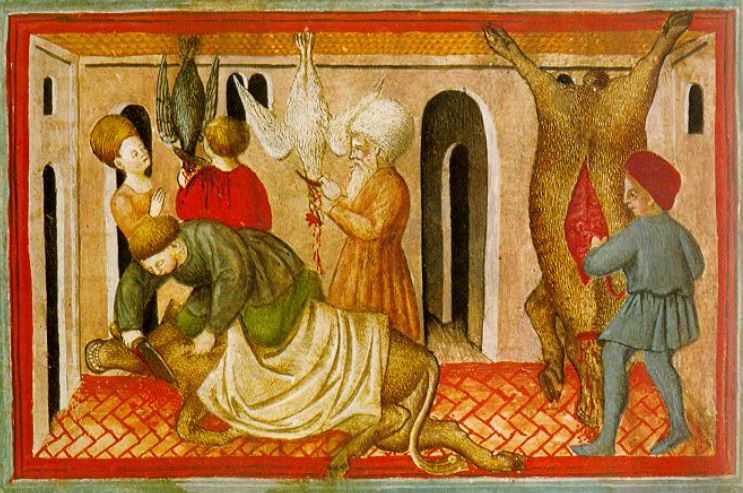
New to Talmud?
Check out our resources designed to help you navigate a page of Talmud – and study at the pace, level and style that fits you.
The Hadran Women’s Tapestry
Meet the diverse women learning Gemara at Hadran and hear their stories.
I started learning at the beginning of this Daf Yomi cycle because I heard a lot about the previous cycle coming to an end and thought it would be a good thing to start doing. My husband had already bought several of the Koren Talmud Bavli books and they were just sitting on the shelf, not being used, so here was an opportunity to start using them and find out exactly what was in them. Loving it!

Borehamwood, United Kingdom
I started learning with rabbis. I needed to know more than the stories. My first teacher to show me “the way of the Talmud” as well as the stories was Samara Schwartz.
Michelle Farber started the new cycle 2 yrs ago and I jumped on for the ride.
I do not look back.

Houston, United States
It happened without intent (so am I yotzei?!) – I watched the women’s siyum live and was so moved by it that the next morning, I tuned in to Rabbanit Michelle’s shiur, and here I am, still learning every day, over 2 years later. Some days it all goes over my head, but others I grasp onto an idea or a story, and I ‘get it’ and that’s the best feeling in the world. So proud to be a Hadran learner.

Zichron Yaakov, Israel
Last cycle, I listened to parts of various מסכתות. When the הדרן סיום was advertised, I listened to Michelle on נידה. I knew that בע”ה with the next cycle I was in (ב”נ). As I entered the סיום (early), I saw the signs and was overcome with emotion. I was randomly seated in the front row, and I cried many times that night. My choice to learn דף יומי was affirmed. It is one of the best I have made!

אפרת, Israel
I never thought I’d be able to do Daf Yomi till I saw the video of Hadran’s Siyum HaShas. Now, 2 years later, I’m about to participate in Siyum Seder Mo’ed with my Hadran community. It has been an incredible privilege to learn with Rabbanit Michelle and to get to know so many caring, talented and knowledgeable women. I look forward with great anticipation and excitement to learning Seder Nashim.
Karmiel, Israel
I began to learn this cycle of Daf Yomi after my husband passed away 2 1/2 years ago. It seemed a good way to connect to him. Even though I don’t know whether he would have encouraged women learning Gemara, it would have opened wonderful conversations. It also gives me more depth for understanding my frum children and grandchildren. Thank you Hadran and Rabbanit Michelle Farber!!

Tzur Hadassah, Israel
My curiosity was peaked after seeing posts about the end of the last cycle. I am always looking for opportunities to increase my Jewish literacy & I am someone that is drawn to habit and consistency. Dinnertime includes a “Guess what I learned on the daf” segment for my husband and 18 year old twins. I also love the feelings of connection with my colleagues who are also learning.

Tampa, United States
In early 2020, I began the process of a stem cell transplant. The required extreme isolation forced me to leave work and normal life but gave me time to delve into Jewish text study. I did not feel isolated. I began Daf Yomi at the start of this cycle, with family members joining me online from my hospital room. I’ve used my newly granted time to to engage, grow and connect through this learning.

Worcester, United States
I was moved to tears by the Hadran Siyyum HaShas. I have learned Torah all my life, but never connected to learning Gemara on a regular basis until then. Seeing the sheer joy Talmud Torah at the siyyum, I felt compelled to be part of it, and I haven’t missed a day!
It’s not always easy, but it is so worthwhile, and it has strengthened my love of learning. It is part of my life now.

Beit Shemesh, Israel
In my Shana bet at Migdal Oz I attended the Hadran siyum hash”as. Witnessing so many women so passionate about their Torah learning and connection to God, I knew I had to begin with the coming cycle. My wedding (June 24) was two weeks before the siyum of mesechet yoma so I went a little ahead and was able to make a speech and siyum at my kiseh kallah on my wedding day!

Givat Shmuel, Israel
I started learning at the beginning of the cycle after a friend persuaded me that it would be right up my alley. I was lucky enough to learn at Rabbanit Michelle’s house before it started on zoom and it was quickly part of my daily routine. I find it so important to see for myself where halachot were derived, where stories were told and to get more insight into how the Rabbis interacted.

Ra’anana, Israel
When we heard that R. Michelle was starting daf yomi, my 11-year-old suggested that I go. Little did she know that she would lose me every morning from then on. I remember standing at the Farbers’ door, almost too shy to enter. After that first class, I said that I would come the next day but couldn’t commit to more. A decade later, I still look forward to learning from R. Michelle every morning.

Ra’anana, Israel
I started to listen to Michelle’s podcasts four years ago. The minute I started I was hooked. I’m so excited to learn the entire Talmud, and think I will continue always. I chose the quote “while a woman is engaged in conversation she also holds the spindle”. (Megillah 14b). It reminds me of all of the amazing women I learn with every day who multi-task, think ahead and accomplish so much.

Zichron Yakov, Israel
I was moved to tears by the Hadran Siyyum HaShas. I have learned Torah all my life, but never connected to learning Gemara on a regular basis until then. Seeing the sheer joy Talmud Torah at the siyyum, I felt compelled to be part of it, and I haven’t missed a day!
It’s not always easy, but it is so worthwhile, and it has strengthened my love of learning. It is part of my life now.
Beit Shemesh, Israel

Los Angeles, United States
I LOVE learning the Daf. I started with Shabbat. I join the morning Zoom with Reb Michelle and it totally grounds my day. When Corona hit us in Israel, I decided that I would use the Daf to keep myself sane, especially during the days when we could not venture out more than 300 m from our home. Now my husband and I have so much new material to talk about! It really is the best part of my day!

Hashmonaim, Israel
I learned daf more off than on 40 years ago. At the beginning of the current cycle, I decided to commit to learning daf regularly. Having Rabanit Michelle available as a learning partner has been amazing. Sometimes I learn with Hadran, sometimes with my husband, and sometimes on my own. It’s been fun to be part of an extended learning community.

Honolulu, Hawaii, United States
I had no formal learning in Talmud until I began my studies in the Joint Program where in 1976 I was one of the few, if not the only, woman talmud major. It was superior training for law school and enabled me to approach my legal studies with a foundation . In 2018, I began daf yomi listening to Rabbanit MIchelle’s pod cast and my daily talmud studies are one of the highlights of my life.

Minneapolis, United States

Berlin, Germany
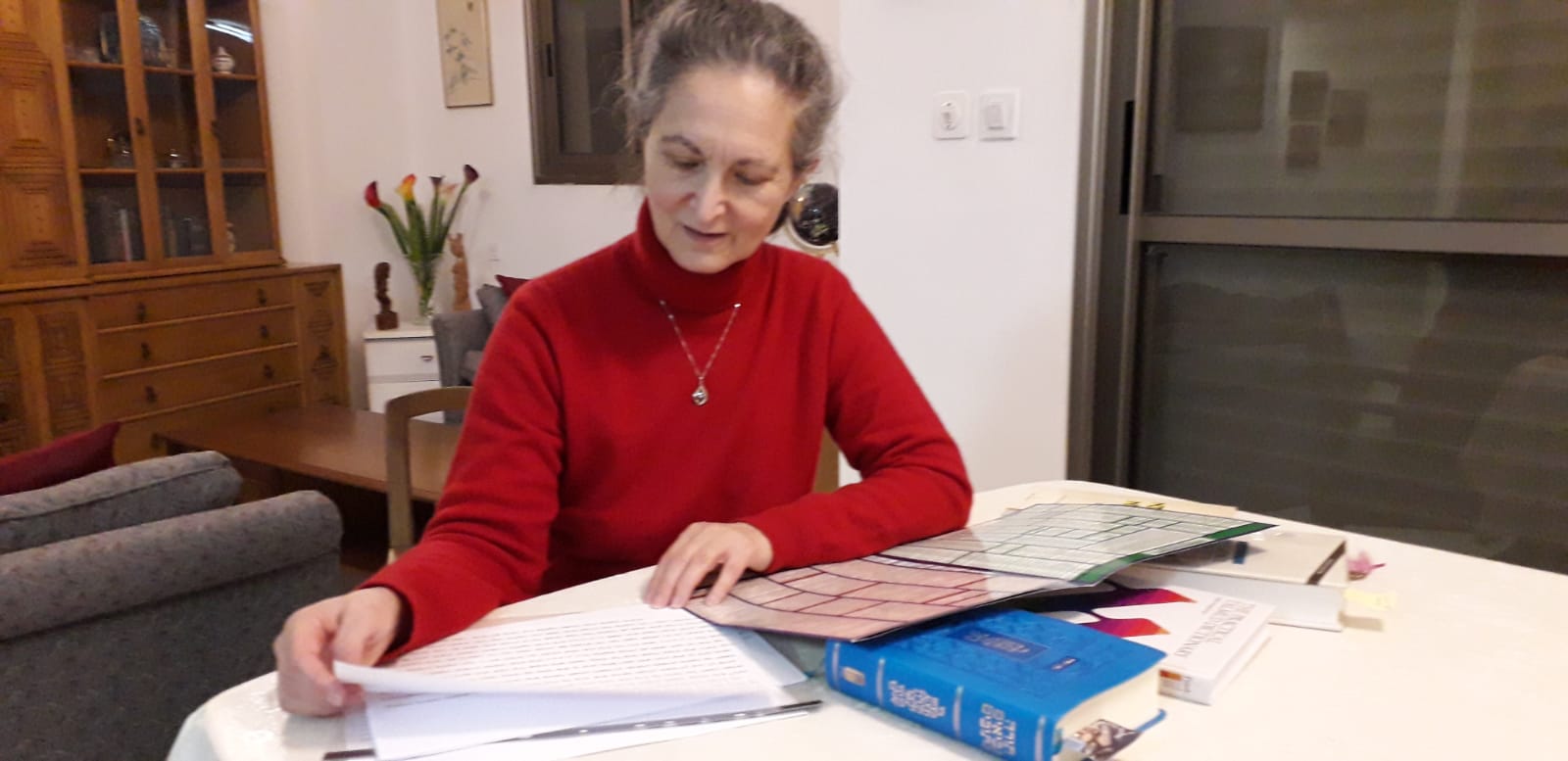
Geri Goldstein got me started learning daf yomi when I was in Israel 2 years ago. It’s been a challenge and I’ve learned a lot though I’m sure I miss a lot. I quilt as I listen and I want to share what I’ve been working on.

Ottawa, Canada
Zevachim 79
הָא דִּידֵיהּ הָא דְּרַבֵּיהּ. דְּתַנְיָא, רַבִּי יְהוּדָה אוֹמֵר מִשּׁוּם רַבָּן גַּמְלִיאֵל: אֵין דָּם מְבַטֵּל דָּם, אֵין רוֹק מְבַטֵּל רוֹק, וְאֵין מֵי רַגְלַיִם מְבַטְּלִין מֵי רַגְלַיִם.
this statement, that the water of purification is nullified in a majority of water, is his, i.e., Rabbi Yehuda’s, own opinion, whereas that statement, in the baraita, that white wine is not nullified in a majority of water, is his teacher’s ruling, i.e., that of Rabban Gamliel, who is stringent with regard to a mixture of a substance in contact with the same type of substance. As it is taught in a baraita that Rabbi Yehuda says in the name of Rabban Gamliel: Blood does not nullify blood, spittle does not nullify spittle, and urine does not nullify urine.
רָבָא אָמַר: בִּדְלִי שֶׁתּוֹכוֹ טָהוֹר וְגַבּוֹ טָמֵא עָסְקִינַן; דְּמִדִּינָא – סַגִּי לְהוּ בְּכֹל דְּהוּ,
Rava says there is a different resolution of the apparent contradiction between the mishna that states that water of purification is nullified in a majority of water of a ritual bath and Rabbi Yehuda’s opinion in the baraita with regard to white wine mixed with water: In the mishna, we are dealing with a bucket whose internal surface is ritually pure, and only its external surface is impure. The significance of this is that by Torah law it suffices for the water of the ritual bath to enter the bucket in any amount to purify its external surface, and therefore the water of purification in the bucket does not prevent the purification of the bucket at all.
וְרַבָּנַן הוּא דִּגְזַרוּ בְּהוּ דִּילְמָא חָיֵיס עֲלַיְיהוּ וְלָא מְבַטֵּיל לֵיהּ; וְכֵיוָן דְּאִיכָּא רִיבּוּיָא – לָא צְרִיךְ.
Rava continues: And it is the Sages who decreed with regard to this case that the internal surface must be purified as well, lest the owner wish to spare the water of purification and not to nullify it from its sanctity. In that case he would wish to avoid allowing water from the ritual bath to enter the vessel, and might immerse it in a manner which would not allow even the full external surface to come in contact with the water. Therefore, the Sages required that one immerse the entire vessel. But once there is a majority of water in the bucket from the ritual bath, he does not need to enable any more water to enter the vessel, as by Torah law it is already pure.
אָמַר רָבָא: אֲמוּר רַבָּנַן בְּטַעְמָא, וַאֲמוּר רַבָּנַן בְּרוּבָּא, וַאֲמוּר רַבָּנַן בַּחֲזוּתָא. מִין בְּשֶׁאֵינוֹ מִינוֹ – בְּטַעְמָא, מִין בְּמִינוֹ – בְּרוּבָּא, הֵיכָא דְּאִיכָּא חֲזוּתָא – בְּמַרְאֶה.
§ Rava says, in summary of these halakhot: The Sages said that the status of an item in a mixture is determined by the taste, i.e., if the taste of one substance is noticeable in a mixture with another substance it is not nullified, and the Sages said that a prohibited item is nullified by the majority, and the Sages also said that the status of an item in a mixture is determined by the appearance, i.e., if the appearance of a substance is recognizable in a mixture it is not nullified. Rava elaborates: With regard to a type of food mixed with food not of its own type, the nullification is determined by the taste. In the case of a type of food mixed with food of its own type, the nullification is determined by the majority. In a case where there is a possibility to determine the status of an item based on appearance, the nullification is by appearance.
וּפְלִיגָא דְּרַבִּי אֶלְעָזָר, דְּאָמַר רַבִּי אֶלְעָזָר: כְּשֵׁם שֶׁאֵין מִצְוֹת מְבַטְּלוֹת זוֹ אֶת זוֹ, כָּךְ אֵין אִיסּוּרִין מְבַטְּלִין זֶה אֶת זֶה.
§ The Gemara returns to its discussion of the opinion of Reish Lakish that prohibited items, such as piggul, notar, and ritually impure meat, nullify one another. The Gemara notes: And Reish Lakish disagrees with the statement of Rabbi Elazar, as Rabbi Elazar says: Just as items used in the performance of mitzvot do not nullify one another, despite the fact that one is of greater volume than the other or imparts flavor to it, so too, items to which prohibitions apply do not nullify one another.
מַאן שָׁמְעַתְּ לֵיהּ דְּאָמַר: אֵין מִצְוֹת מְבַטְּלוֹת זוֹ אֶת זוֹ? הִלֵּל הִיא, דְּתַנְיָא: אָמְרוּ עָלָיו עַל הִלֵּל הַזָּקֵן שֶׁהָיָה כּוֹרְכָן בְּבַת אַחַת וְאוֹכְלָן, מִשּׁוּם שֶׁנֶּאֱמַר: ״עַל מַצּוֹת וּמְרוֹרִים יֹאכְלוּהוּ״.
The Gemara adds: Whom did you hear who says that items used in the performance of mitzvot do not nullify one another? It is Hillel, as it is taught in a baraita: They said about Hillel the Elder that when eating the Paschal offering, matza, and bitter herbs on the first night of Passover, he would wrap them all at once and eat them together, because it is stated with regard to the Paschal offering: “They shall eat it with matzot and bitter herbs” (Numbers 9:11), which indicates that these three foods should be eaten together. Hillel was not concerned that the taste of the bitter herbs would nullify the taste of the matza.
תָּנוּ רַבָּנַן: חַרְסָן שֶׁל זָב וְזָבָה – פַּעַם רִאשׁוֹן וְשֵׁנִי טָמֵא, שְׁלִישִׁי טָהוֹר.
§ The Gemara continues its discussion of cases involving a mixture of one substance in contact with the same type of substance, in which according to the opinion of Rabbi Yehuda in the mishna the prohibited substance is not nullified. The Sages taught a baraita (Tosefta, Teharot 5:3): In a case where a broken earthenware flask had absorbed the urine of a zav or a zava, whose urine is a primary source of ritual impurity, which imparts impurity to one who carries it, in such a case, if one poured water into this flask to clean it, after the first time and the second time one washed it, it remains ritually impure, but after the third time it is ritually pure, as the impure urine has been expelled from the flask.
בַּמֶּה דְּבָרִים אֲמוּרִים – שֶׁנָּתַן לְתוֹכוֹ מַיִם; אֲבָל לֹא נָתַן לְתוֹכוֹ מַיִם – אֲפִילּוּ עֲשִׂירִי טָמֵא. רַבִּי אֱלִיעֶזֶר בֶּן יַעֲקֹב אוֹמֵר: שְׁלִישִׁי, אַף עַל פִּי שֶׁלֹּא נָתַן לְתוֹכוֹ מַיִם – טָהוֹר. מַאן דְּשָׁמְעַתְּ לֵיהּ דְּאָמַר: מִין בְּמִינוֹ לֹא בָּטֵיל? רַבִּי יְהוּדָה.
The baraita continues: In what case is this statement said? It is said when one placed water into the flask. But if he did not place water into it, but instead placed the urine of a ritually pure person into it, even after the tenth time he places this urine into the flask it remains ritually impure, as one substance in contact with the same type of substance is not nullified. Rabbi Eliezer ben Ya’akov says: After the third time, even though he did not place water into it, but rather urine, it is ritually pure. The Gemara comments: Whom did you hear who says that a substance in contact with the same type of substance is not nullified? Rabbi Yehuda, and therefore he is the first tanna of this baraita.
וּרְמִינְהוּ: פִּשְׁתָּן שֶׁטְּוָואָתוֹ נִדָּה – מְסִיטוֹ טָהוֹר. וְאִם הָיָה לַח – מְסִיטוֹ טָמֵא מִשּׁוּם מַשְׁקֵה פִּיהָ. רַבִּי יְהוּדָה אוֹמֵר: אַף הָרוֹטְבוֹ בְּמַיִם – טָמֵא מִשּׁוּם מַשְׁקֶה פִּיהָ, וַאֲפִילּוּ טוּבָא!
And the Gemara raises a contradiction from another baraita (Tosefta, Teharot 4:11): With regard to flax that was woven by a menstruating woman, although it has absorbed the spittle of a menstruating woman, which imparts impurity by being carried, one who moves it remains ritually pure, as the spittle has dried. But if the flax was still moist, one who moves it is rendered impure due to the liquid of her mouth, i.e., the spittle of the menstruating woman. Rabbi Yehuda says: Even one who wets the flax with water is rendered impure due to the liquid of her mouth, and this halakha applies even if he wet the flax a great deal, several times, as the water does not nullify and expel the spittle. This apparently contradicts Rabbi Yehuda’s claim with regard to the broken flask that was washed with water three times.
אָמַר רַב פָּפָּא: שָׁאנֵי רוֹק, דְּקָרִיר.
Rav Pappa says: Spittle is different, as it is thoroughly absorbed and adheres to the flax, and therefore washing the flax with water does not nullify the spittle.
נִתְעָרֵב בְּדַם הַפְּסוּלִין, יִשָּׁפֵךְ לָאַמָּה. בְּמַאי קָמִיפַּלְגִי?
§ The mishna teaches: If blood fit for presentation was mixed with the blood of unfit offerings, the entire mixture shall be poured into the Temple courtyard drain, and similarly, if blood fit for presentation became mixed with blood of exudate, it shall be poured into the drain, whereas Rabbi Eliezer deems the mixture fit for presentation. The Gemara asks: With regard to what principle do the first tanna and Rabbi Eliezer disagree?
אָמַר רַב זְבִיד: בְּגוֹזְרִין גְּזֵירָה בַּמִּקְדָּשׁ קָא מִיפַּלְגִי – דְּמָר סָבַר: גּוֹזְרִין, וּמָר סָבַר: (לָא) [אֵין] גּוֹזְרִין.
Rav Zevid says: They disagree with regard to the question of whether the Sages issue a rabbinic decree of this kind with regard to the Temple. As one Sage, the first tanna, holds that the Sages issue a rabbinic decree with regard to the Temple, and therefore one may not present this mixture of blood, lest one present a mixture that contains a majority of blood of unfit offerings or blood of exudate. And one Sage, Rabbi Eliezer, holds that the Sages do not issue a rabbinic decree with regard to the Temple, and consequently this mixture of blood is fit for presentation.
רַב פָּפָּא אָמַר: דְּכוּלֵּי עָלְמָא גּוֹזְרִין;
Rav Pappa says that there is a different explanation of the dispute: Everyone agrees that the Sages issue a rabbinic decree with regard to the Temple, and therefore in a case where blood fit for presentation was mixed with the blood of unfit offerings Rabbi Eliezer agrees that it should be poured into the Temple courtyard drain, and he deems the blood permitted only if it was mixed with blood of exudate.
וְהָכָא, בְּדַם הַתַּמְצִית מָצוּי לִרְבּוֹת עַל דַּם הַנֶּפֶשׁ קָא מִיפַּלְגִי – מָר סָבַר: שְׁכִיחַ, וּמָר סָבַר: לָא שְׁכִיחַ.
Rav Pappa continues: And here they disagree with regard to the question of whether it is common for blood of exudate to be greater in quantity than blood of the soul, i.e., the blood that emerges immediately following the slaughter of the animal. One Sage, the first tanna, holds that this is a common occurrence, and therefore the Sages issued a decree concerning all mixtures of blood of exudate and blood of the soul. And one Sage, Rabbi Eliezer, holds that this is not a common occurrence, and therefore the Sages did not issue a decree concerning a mixture of this kind.
בִּשְׁלָמָא לְרַב פָּפָּא, הַיְינוּ דְּקָתָנֵי: נִתְעָרֵב בְּדַם הַפְּסוּלִין – יִשָּׁפֵךְ לָאַמָּה, (אוֹ) בְּדַם הַתַּמְצִית – יִשָּׁפֵךְ לָאַמָּה.
The Gemara comments: Granted, according to the opinion of Rav Pappa that Rabbi Eliezer’s lenient ruling applies only to a mixture with blood of exudate, but that he concedes to the first tanna that if blood fit for presentation was mixed with the blood of unfit offerings it is poured down the Temple courtyard drain, this explanation is consistent with that which the mishna teaches: If blood fit for presentation was mixed with the blood of unfit offerings, it shall be poured into the Temple courtyard drain; if blood fit for presentation was mixed with blood of exudate, it shall be poured into the drain. In other words, the fact that the mishna separates these two cases into different clauses makes sense, as Rabbi Eliezer’s ruling applies only to one case.
אֶלָּא לְרַב זְבִיד, לִיעָרְבִינְהוּ וְלִיתְנִינְהוּ! קַשְׁיָא.
But according to the interpretation of Rav Zevid that Rabbi Eliezer disagrees with regard to both cases, let the mishna combine them and teach them together, as follows: If blood fit for presentation was mixed with the blood of unfit offerings or with blood of exudate, the entire mixture shall be poured into the drain running through the Temple courtyard, and Rabbi Eliezer deems the mixtures fit for presentation. The Gemara concludes: Indeed, the wording of the mishna poses a difficulty to the explanation of Rav Zevid.
מַתְנִי׳ דַּם תְּמִימִים בְּדַם בַּעֲלֵי מוּמִין – יִשָּׁפֵךְ לָאַמָּה. כּוֹס בְּכוֹסוֹת – רַבִּי אֱלִיעֶזֶר אוֹמֵר: אִם קָרַב כּוֹס אֶחָד, יִקְרְבוּ כָּל הַכּוֹסוֹת. וַחֲכָמִים אוֹמְרִים: אֲפִילּוּ קָרְבוּ כּוּלָּן חוּץ מֵאֶחָד מֵהֶן, יִשָּׁפֵךְ לָאַמָּה.
MISHNA: If the blood of unblemished offerings was mixed with the blood of blemished animals unfit for sacrifice, the entire mixture shall be poured into the Temple courtyard drain. This is the halakha when the fit and unfit blood were mixed in one vessel. By contrast, if a cup of the blood of a blemished offering was intermingled with cups of blood fit for offering and it is unclear which blood is in the cup, Rabbi Eliezer says: Although it is prohibited to present all the blood due to the uncertainty, if it happened that a priest already sacrificed, i.e., presented, one cup, the blood in all the other cups shall be sacrificed, as the blood that was presented is assumed to have come from the unfit cup in the mixture. And the Rabbis say: Even if the blood in all the cups was sacrificed except for one of them, the remaining blood shall be poured into the Temple courtyard drain.
הַנִּיתָּנִין לְמַטָּה שֶׁנִּתְעָרְבוּ בַּנִּיתָּנִין לְמַעְלָה – רַבִּי אֱלִיעֶזֶר אוֹמֵר: יִתֵּן לְמַעְלָה, וְרוֹאֶה אֲנִי אֶת הַתַּחְתּוֹנִים מִלְּמַעְלָן כְּאִילּוּ הֵם מַיִם, וְיַחֲזוֹר וְיִתֵּן לְמַטָּה. וַחֲכָמִים אוֹמְרִים: יִשָּׁפֵךְ לָאַמָּה. וְאִם לֹא נִמְלַךְ וְנָתַן – כָּשֵׁר.
With regard to blood that is to be placed below the red line circumscribing the altar, e.g., blood of a burnt offering, a guilt offering, or a peace offering, that was mixed with blood that is to be placed above the red line, e.g., blood of a sin offering, Rabbi Eliezer says: The priest shall initially place the blood of the mixture above the red line for the sake of the sin offering, and I view the blood that was to be placed below that was in fact placed above as though it is water, and the priest shall again place blood from the mixture below. And the Rabbis say: It shall all be poured into the Temple courtyard drain. Even according to the Rabbis, if the priest did not consult the authorities and placed the blood above the red line, the offering is fit, and he should then place the remaining blood below the red line.

